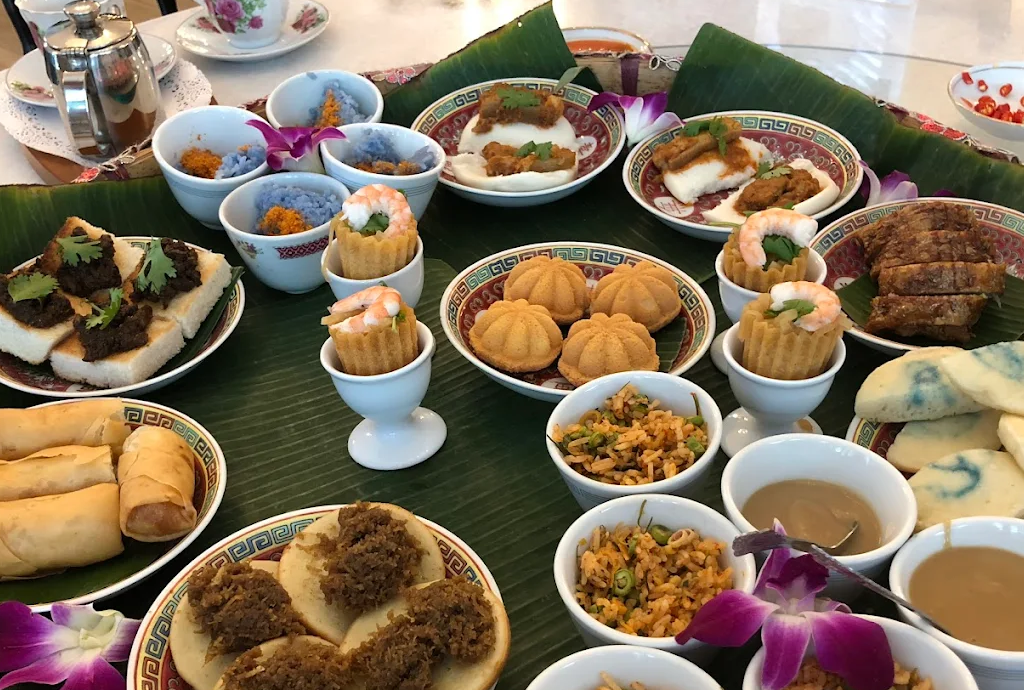

Nyonya Food represents a rich blend of cultures, centuries-old traditions, and family recipes passed down through generations. In Singapore, this food holds a special place because it reflects the city’s history — a mix of influences shaped by migration, trade, and shared life across different communities.
This cultural blend created a unique dining experience that remains one of the most beloved traditional foods in Singapore. From vibrant colours to bold spices, every dish tells a story.
How Nyonya Food Took Root in Singapore
The Peranakan community emerged when early Chinese settlers married local Malay women. Their families developed a distinct identity, and their food became a symbol of that identity. The use of Chinese cooking methods combined with local spices formed dishes unlike anything else.
Over time, Nyonya Food in Singapore evolved into a cuisine that was both comforting and layered. Each generation added its own touches while still respecting tradition.
You can see these influences in ingredients like coconut milk, lemongrass, tamarind, belacan, and pandan. These ingredients are essential in creating the depth and complexity that makes Nyonya dishes so fragrant and memorable.
Signature Ingredients That Make Nyonya Cuisine Stand Out
Nyonya dishes are known for their strong flavours and well-balanced profiles. Here are some of the key ingredients that create this signature taste:
1. Lemongrass
This aromatic stalk brings a light citrus scent and fresh flavour. It is used in soups, curries, and stir-fries.
2. Galangal
Often confused with ginger, galangal has a sharper taste. It adds warmth and depth, especially in spicy dishes.
3. Turmeric
Turmeric gives dishes their bright golden colour and earthy flavour. It’s found in many curries and rice dishes.
4. Coconut Milk
This is a core ingredient in many Nyonya recipes. It adds richness and creaminess without overpowering other flavours.
5. Tamarind
Tamarind adds acidity and a pleasant sourness. It balances the heat in spicy dishes and enhances complexity.
6. Candlenut
Candlenut is used to thicken sauces and give dishes a smooth, buttery texture. It’s commonly found in rempah (spice pastes).
Why Nyonya Food Still Matters Today
This cuisine has stood the test of time because it is deeply rooted in culture. It’s an art form that celebrates diversity, history, and community. In everyday life, people enjoy Nyonya dishes for comfort, meaning, and connection.
Nyonya Food remains part of celebrations, family gatherings, and shared meals. It’s one of the reasons it is recognised as essential traditional food in Singapore.
Food lovers also enjoy exploring different versions of Nyonya Food in Singapore, whether for weekday meals or special occasions. Each restaurant adds its own style, keeping the cuisine interesting while staying true to its origins.
You can find modern interpretations, traditional favourites, and options for different dietary needs — including halal peranakan food in Singapore, which allows even more people to enjoy this heritage cuisine.
For those curious about the dish variety, a well-curated peranakan food menu gives a clear picture of how wide and diverse Nyonya cooking truly is.
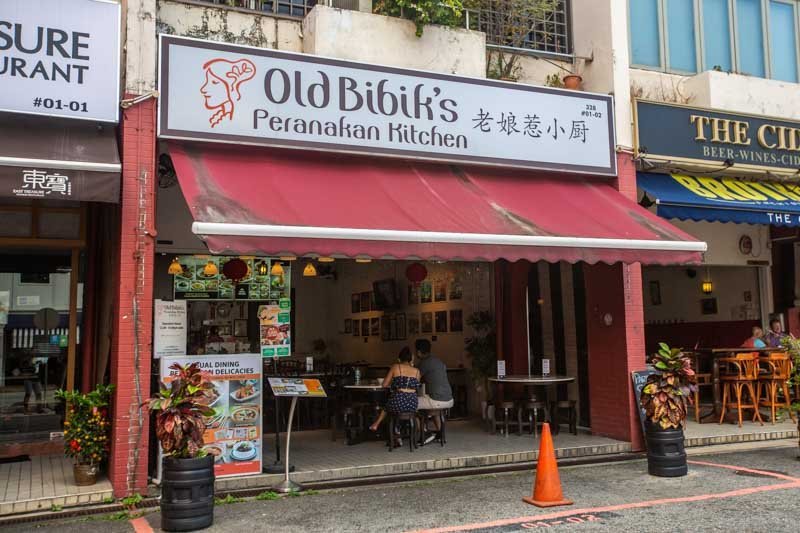
Experience Authentic Nyonya Flavours with Old Bibik — Discover Nyonya Food
Old Bibik keeps the heart of Nyonya cuisine alive with authentic flavours and careful preparation. Since 2010, we have dedicated ourselves to serving food that reflects generations of heritage.
Our dishes balance spice, sourness, and savoury richness while staying true to classic techniques. Enjoy dining in, takeaway, or event options tailored for corporate groups, school tours, private functions, and bento deliveries.
If you want a genuine taste of Nyonya food prepared with care, visit Old Bibik today and enjoy a memorable meal rooted in tradition.